The Digital Saturation Moment
It is a truth universally acknowledged that we live in a digital-first world, and that digital has become the dominant medium across industries. Yet, many of us, including the younger generations, are experiencing what is referred to as “digital fatigue” — a type of mental and physical exhaustion caused by the excessive use of screen devices. When our jobs, hobbies, relationships, and communications happen almost exclusively online, it’s easy to get overwhelmed (or even burnt out).
It’s clear that, even though digital technologies have exponentially improved our lives, they’re not always the answer. Young people are logging off and embracing the lasting nature of physical media. In this landscape, we should ask ourselves: what does print offer that screens can’t?
Much like DVDs and vinyl records, print delivers a tangible, sensory, and lasting experience that digital media cannot replicate.
When digital often fades in the background, print stands out.
Print Engages the Physical Senses
On the most immediate level, print engages the senses in a much more all-encompassing and impactful way. A printed item captures you fully: the texture of the paper, its weight, finish, and materiality; the depth of colour conveyed by the ink; the smell of the paper; the sound of the pages turning; the physical interaction of turning, unfolding, opening and closing.
On top of that, research suggests that reading on printed materials can lead to deeper comprehension and memory retention compared to digital screens. A large review of more than two dozen studies, involving nearly 470,000 participants, found that extended print reading was associated with dramatically higher comprehension levels. And there’s more: studies have shown that readers often experience fewer distractions and better focus when interacting with print, contributing to a more immersive and thoughtful experience overall.
Tangibility Creates Trust and Credibility
Print also creates a sense of trust and credibility in your audience and customers. Most people (ourselves included!) view print as a long-lasting, physical commitment, as opposed to the often fleeting nature of digital content. While yes, the internet is forever, just think about how much more impactful a printed brochure is compared to an Instagram story.
Printed materials also still carry an aura of authority and a feeling of permanence. That’s why it is favoured by the luxury sector. As reported by Walpole, 67% of recipients opened, read, and examined direct mail, door drops, and business correspondence from 15 luxury brands. To luxury brands and their customers, print signals quality and intentionality.
Print as a Brand Experience, Not Just a Message
In short, print isn’t just a medium — it’s an extension of a brand’s identity. Every aspect of a printed object (paper choice, finishes, typography, format…) is a storytelling tool that adds to the brand experience.
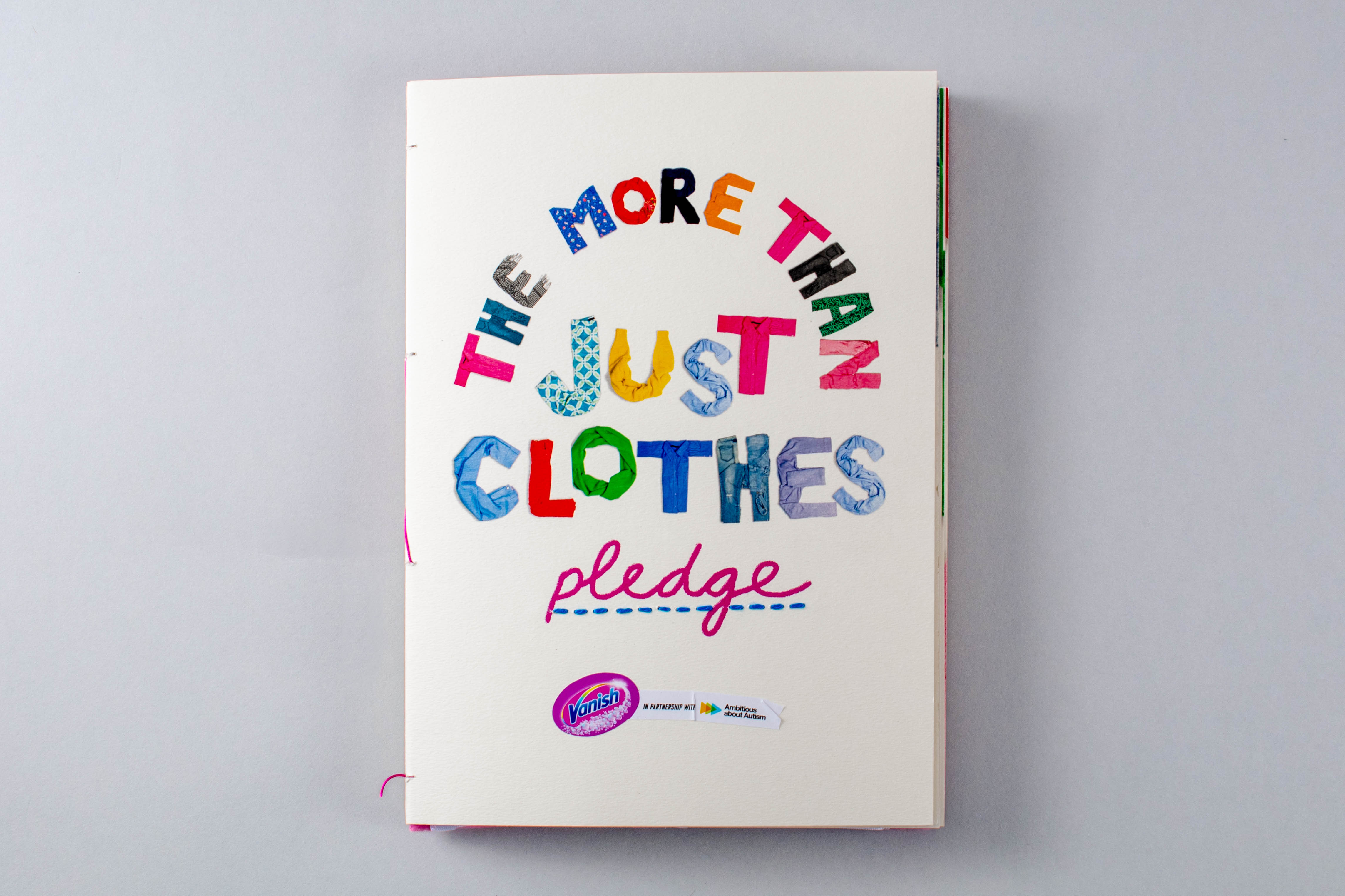
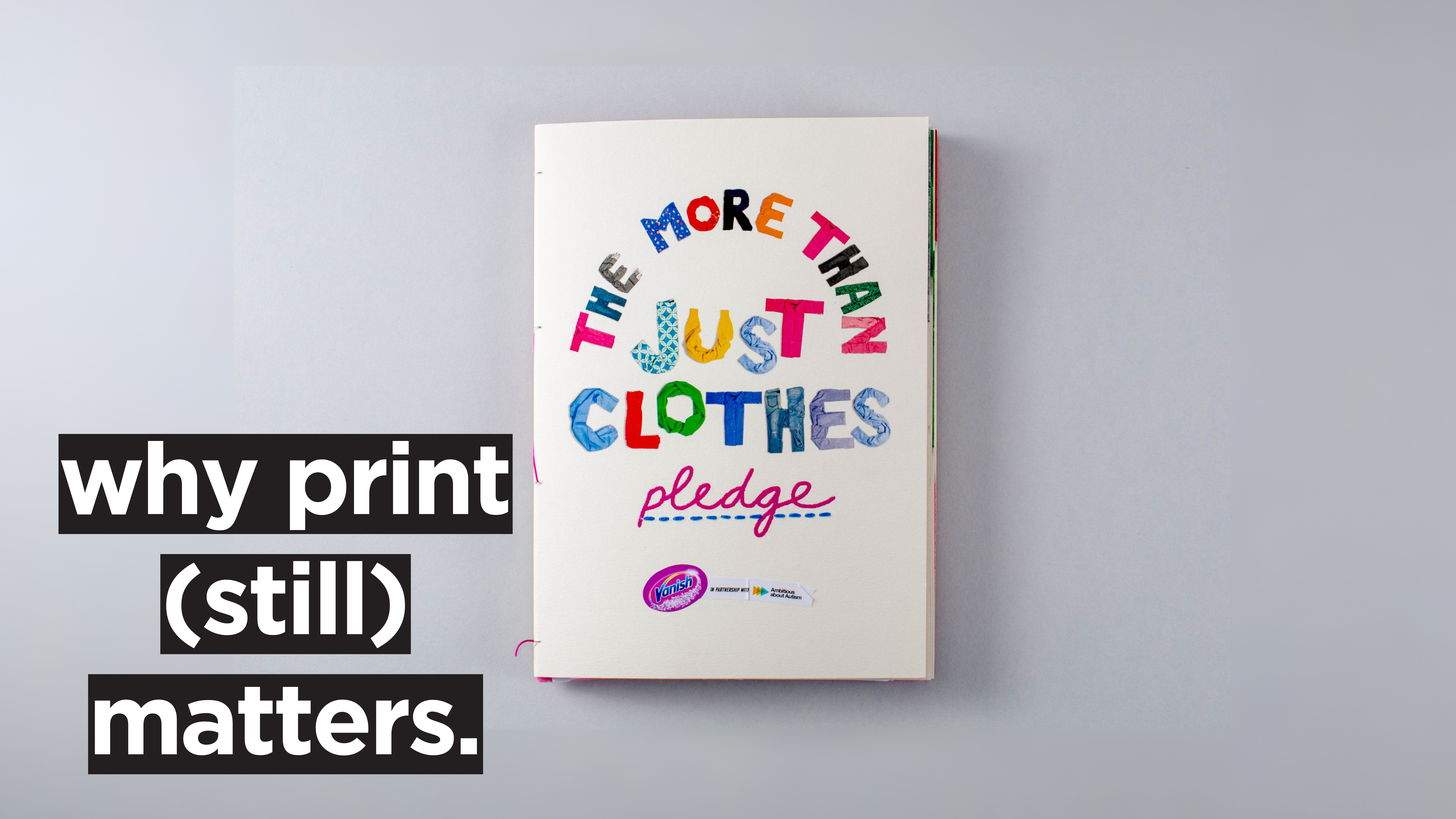
Print has the ability to create memorable, shareable moments: our contribution to HAVAS and Vanish’s More Than Just Clothes campaign, a 28-pages, naked-bound A4 scrapbook, is a perfect example of this.
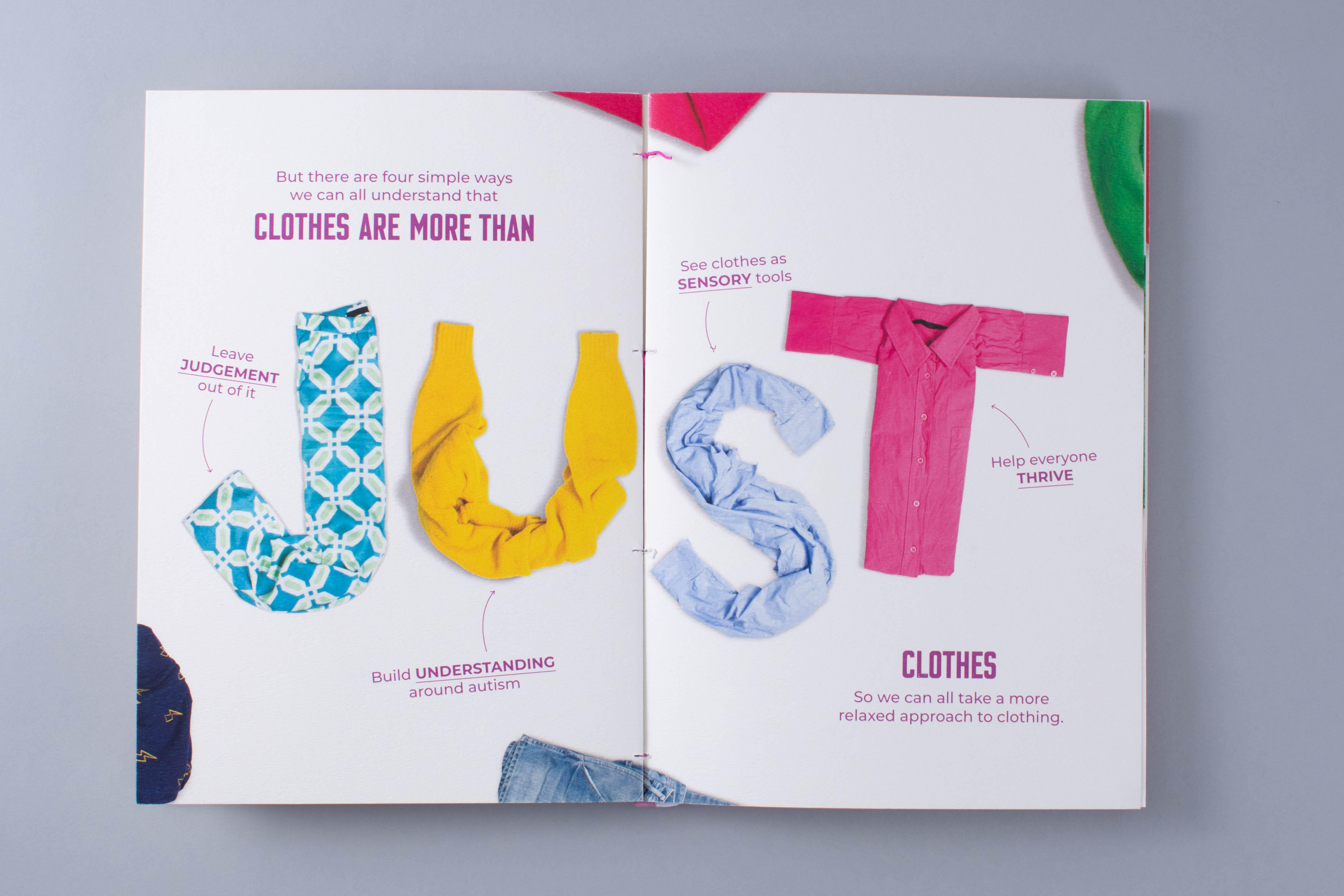
The campaign, in partnership with the charity Ambitious About Autism, aimed to shine a light on the personal and deep relationship that autistic people have with their “safe” clothes. Our job was to convey the tactile nature of this relationship, and print was the best medium for the job.
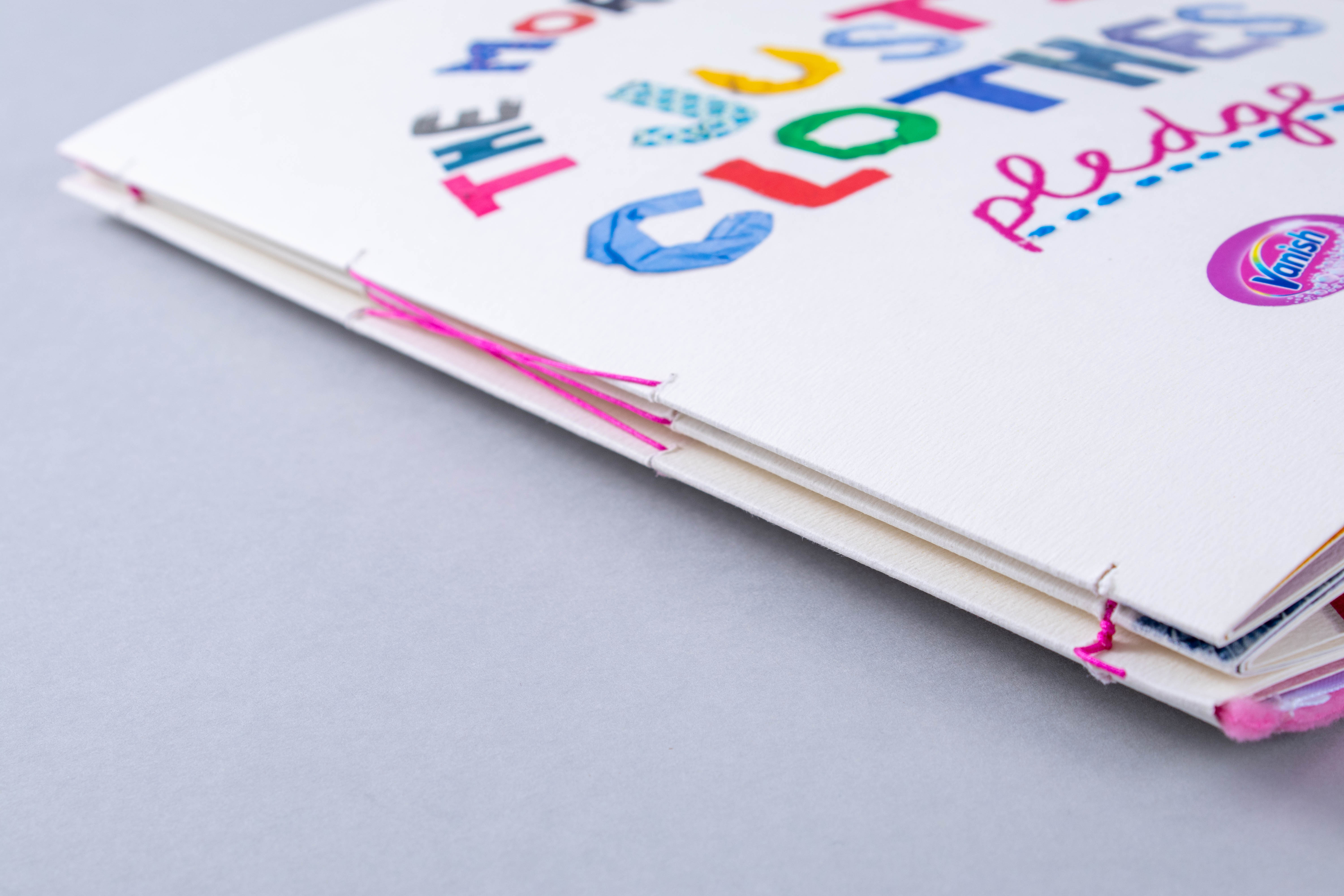
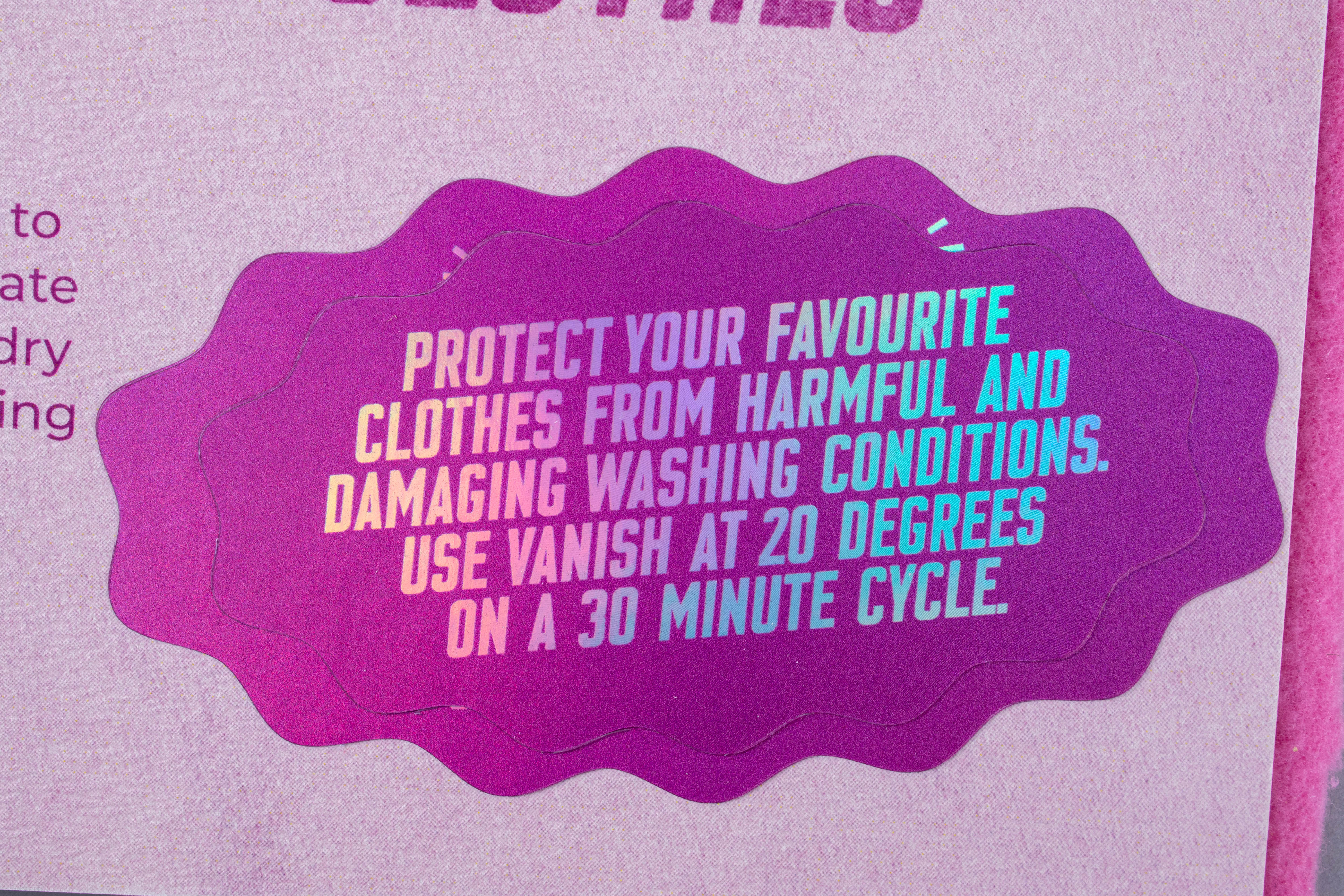
The book started out with different types of fabric being glued or stitched to the pages: silk garment labels, holographic details, and so much more. Then, the multiple print processes we applied for the messaging (including embroidery, silk screening, and heat transfer) tied everything together.
Digital and Print Are Stronger Together
Print is often more impactful than digital, yes, but that doesn’t mean that every company should throw their digital marketing strategies out of the window. We should, instead, reframe the conversation: from print vs. digital to print and digital.
For example, print and digital integration is the backbone of the most successful direct mail strategies; print can drive digital engagement through calls to action, QR codes, URLs, and AR.
Effectively, print works as a physical anchor in an omnichannel strategy, linking the IRL with the URL.
Sustainability and the Future of Print
When it comes to sustainability, it’s easy to point the finger at the printing industry: its environmental impacts are visible and familiar.
Truth is, when managed responsibly, modern print operates within a very different sustainability paradigm than many assume. Sustainably-managed forests help with removing CO2 from the atmosphere, recycled papers reduce reliance on virgin fibre, vegetable-based inks break down far more easily, and the latest high-efficiency printing technologies reduce energy use and waste. When printers adopt a transparent, evidence-based supply chain, their footprint breaks the paradigm that paper = bad.
That’s what we aim to do at Jump.
As a certified B Corp, environmental and social considerations are at the core of every aspect of our operations, from ISO-aligned environmental and quality management systems to a carbon strategy grounded in Science Based Targets. By measuring, verifying, and publicly reporting all scopes of our emissions, working with environmentally responsible print partners, and continually improving materials and processes, we believe sustainable print can deliver lasting, meaningful communication without compromising the health of the planet.
The Enduring Human Need for the Physical
We might be biased, but we really do think that print is irreplaceable. From engaging the senses and improving information retention to delivering bespoke, luxury experiences — print just has that je ne sais quoi that digital lacks.
Reading a printed item is a single-task experience: no scrolling, no sound, no pop-up ads. Print is a distraction-free medium that encourages focus, presence, mindfulness, and slower consumption.
In a screen-filled world, tangible experiences stand out.