The Resurgence of Door Drops
Marketers know it better than anyone: in today’s fragmented media landscape, attention is scarce. Capturing (and maintaining) your audience is harder than ever.
This is where the idea of a “Super Touchpoint” becomes relevant. While every brand creates touchpoints, few leave a lasting impression. JICMAIL defines a Super Touchpoint as a combination of data insight, creativity, emotional relevance, and measurable results that achieve better-than-expected outcomes.
Door drop marketing firmly belongs in that category. As part of a modern direct mail strategy, door drops deliver measurable, scalable, and increasingly effective results.
Here are 10 key insights that prove door drop advertising delivers in 2026.
1. Door Drops Are a Super Touchpoint
JICMAIL’s STEP (Super Touchpoint Evaluation Points) Framework highlights the 10 defining characteristics of a Super Touchpoint:
- Harness a unique audience.
- Harness the power of creativity.
- Create an emotional connection.
- Deliver sensory marketing communications.
- Leverage trust.
- Deliver carefully synchronised communications.
- Hyper-target or build scale.
- Explore rich targeting opportunities.
- Build full-funnel effects.
- Deploy best practice measurement.
Door drops perform strongly across all of these metrics:
- Average interaction time: 60 seconds.
- 74% are read or looked at.
- 9% prompt discussion.
- 3% prompt website visits.
- 3% yield a transaction.
- 87% of discarded mail is recycled.
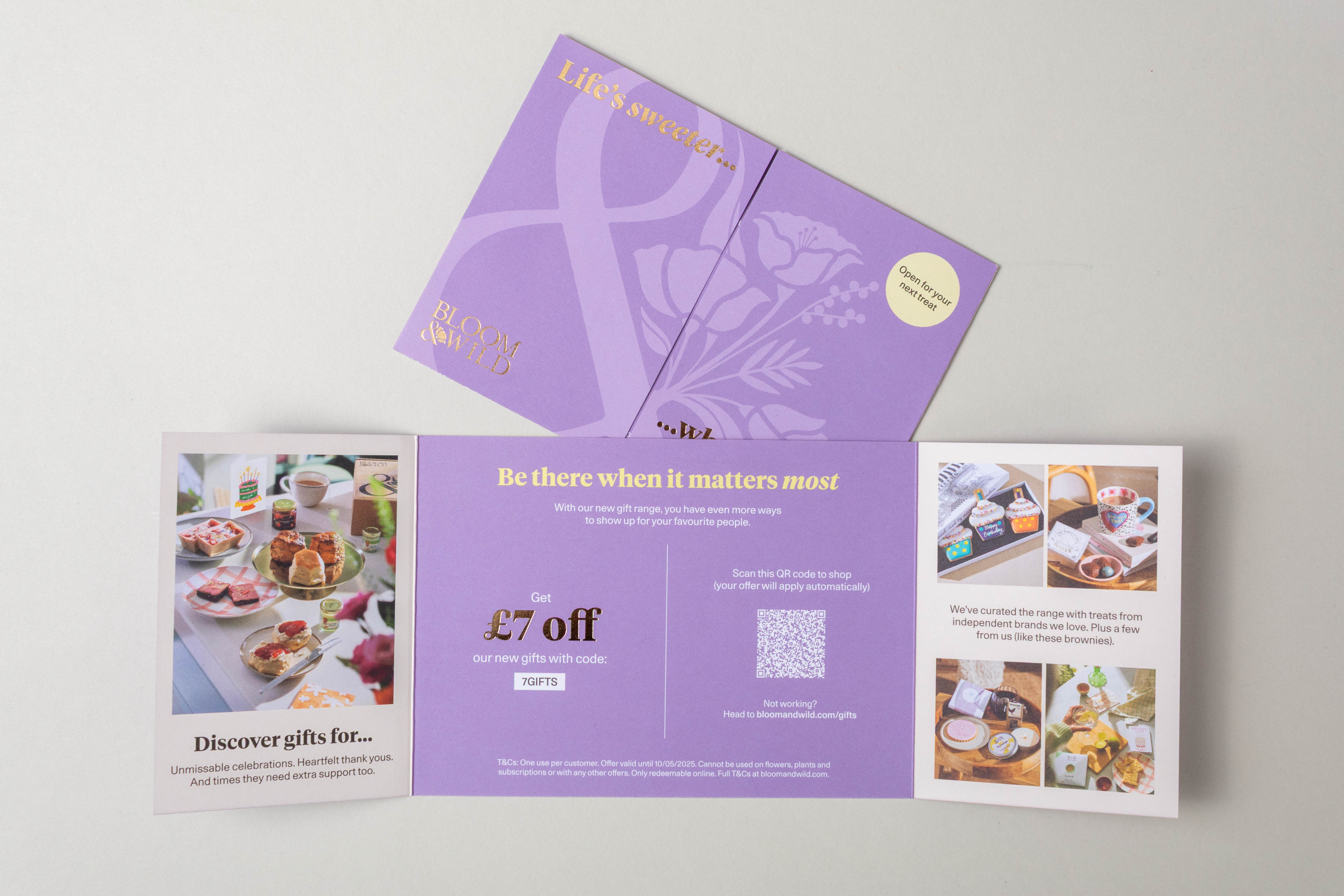
Unlike many digital formats, unaddressed mail marketing delivers physical presence, household visibility, and measurable behavioural outcomes. By reaching your customers’ homes, Door Drops create a real, lasting impact on their purchasing decisions.
2. They Deliver Amplified Reach
According to JICMAIL, 100,000 door drops generate 320,000 impressions, plus 6,000 shared impressions. Here's how.
Shared Household Exposure
Unlike single-user digital impressions, a physical leaflet often sits in shared household spaces. This creates:
- Primary exposure: the first person to pick the leaflet up.
- Secondary exposure: the other household members who also see it or read it.
- Direct sharing (pass-along): the item is handed directly to someone else.
This “household multiplier” effect means leaflet distribution marketing produces layered exposure — something digital impressions often struggle to achieve.
Hidden Impressions in Digital
In digital advertising, an impression is counted when an ad loads. But that doesn’t mean it was seen, processed, or remembered. Ads may load below the fold, be skipped instantly, or appear in background tabs. This creates “hidden impressions”: served, but not truly viewed.
The difference between served impressions and attentive impressions is critical. Door drops, by contrast, are physically handled and interacted with for meaningful periods of time.
3. They Command Attention
In marketing, attention is currency.
Door drops generate an average of 60 seconds of interaction over 28 days. Between Q4 2022 and Q2 2025, attention never fell below 46 seconds, peaking at 62 seconds.
Digital campaigns may generate high impression counts, but without sustained attention, effective reach declines. This is why cost per minute of attention has become an increasingly important planning metric.
4. They Are Cost-Efficient for Attention
What is the price of attention? It sounds like a philosophical conundrum, but it’s just the foundation of the concept of “attentive cost per minute” (aCPM).
Door Drops are among the most cost-efficient channels for attention-per-minute. As of Q1 2024, JICMAIL reports that the aCPM for Door Drops was just £0.07. This is a stark difference with media such as press (£0.31/minute) and social media (£0.20/minute).
5. Engagement and Effectiveness Are Rising
Door Drop marketing isn’t just maintaining effectiveness in a competitive media landscape — it’s improving.
From Q1 2019 to Q4 2024, engagement and commercial action rates have increased from 74% to 80% and from 6% to 14%, respectively. Attention is converting into behaviour more efficiently over time.
Factors such as digital fatigue, media saturation, increased home-centric behaviour (i.e., many people working from home), shifts in trust driven by privacy concerns, the growth of misinformation, and the integration of digital into direct mail are behind this shift.
6. Full-Funnel Impact: From Discovery to Purchase
Modern consumers move fluidly between physical and digital touchpoints: they research online, visit stores, compare prices, and discuss options with others. Door drops play an active role in all stages of this omnichannel marketing strategy.
Stage 1: Awareness
- 9.3% discussed the door drop with someone.
Stage 2: Consideration
- 2.5% visited the advertiser’s website.
- 1.1% searched online.
- 1.0% visited a store.
Stage 3: Conversion
- 2.7% redeemed a voucher.
- 0.6% made a purchase.
Few channels operate this effectively across all stages. Many digital formats are strong at either awareness or conversion, but door drops demonstrate influence throughout the funnel. Furthermore, physical media doesn’t limit customers to physical transactions: it provides a prompt, and they choose the channel that’s most convenient.
7. ROI Is Growing Year on Year
What makes a marketing channel reliable? From a marketer’s perspective, stability and growth are key priorities. Between 2021 and 2024:
- The average door drop response rate was 0.5%.
- The average ROI was £2.90.
- The year-on-year ROI growth was +24%.
These figures reinforce that direct mail ROI remains commercially strong. While digital dominates budgets, tangible media continues to convert efficiently. Even in the digital era, mail is commercially credible, valuable, and respected.
8. They Reach Untapped, High-Value Audiences
A common misconception is that mail only reaches older audiences. The data shows otherwise: engagement is increasing among two key groups — ABC1 households (higher socio-economic groups) and under-35s.
For brands targeting affluent or emerging audiences, door drop advertising offers meaningful reach. These households drive premium brand growth and often influence broader purchasing trends. Rising engagement within this group signals that door drops are relevant to high-value consumers, not a mass-reach tactic.
Younger consumers are not “digital-only.” In fact, physical media may stand out more precisely because it is less saturated than their online feeds. When a channel is rare in someone’s media diet, it can command disproportionate attention.
9. Purchases Are Omnichannel
Door drops trigger both online and offline behaviour. In fact, between Q3 2023 and Q2 2025:
- 66% of purchases occurred in-store.
- 23% occurred online.
- 17% via post or phone.
This confirms that door drops integrate naturally into omnichannel retail marketing strategies. QR codes, personalised URLs, and campaign microsites strengthen the bridge between physical and digital.
10. Door Drops Build Trust
The perhaps most surprising finding is that direct mail and door drops have a stronger impact on consumer trust than social media, email, radio, out-of-home, TV, newspapers, and apps. The tactile, physical presence of mail signals credibility. In an era of misinformation and privacy concerns, trust acts as a conversion multiplier. For brands comparing advertising channels, this makes door drop marketing not just effective, but credible.

Why Door Drops Deserve a Place in Every Media Plan
In the crowded, saturated world of marketing, door drops are efficient across multiple fronts.
Firstly, door drops command attention — for cheap. For just £0.07 for 60 seconds of attention, door drops beat many digital and traditional channels.
That’s why the ROI for door drops is so high and continues to grow. With minimal upfront investment, you can capture your audience’s awareness more effectively.
Lastly, direct mail’s superpower is its ability to exude a rare sense of trust. Today’s customer is looking for grounded, tangible experiences that “feel real,” as opposed to the ephemeral digital world.
The door drop’s status as a Super Touchpoint is undeniable: from delivering sensory marketing to building full-funnel effects, door drops resonate instead of just reaching.