For legacy and luxury brands, it’s all about the experience. The experience is what sets them apart — it’s a testament to the brand’s legacy, values, and exclusivity.
The “digital revolution” flattened this experience, optimised it for the algorithm. So, in 2026, the luxury sector is going back to print. But why, exactly?

The Digital Landscape and The Acquisition Crisis
For years, brands big and small have followed the digital playbook: build a social audience, engage influencers, chase impressions… and this system worked until it didn’t.
Digital marketing promised three things above all: speed, precision, and low costs. Over the last decade, this promise has fallen apart. According to research from SimplicityDX, Customer Acquisition Costs (CAC) have increased a staggering 222% since 2013: if, 13 years ago, merchants lost on average $9 for every customer acquired, they now lose a record-breaking $29.
Just in the last five years, CAC have increased by 60% due to three key factors:
- The increase of consumer privacy legislation: GDPR, adopted by the European Union in 2016 and enforced from 2018, requires transparency, security, and user consent from any business or platform that does business with EU citizens.
- The demise of third-party cookies: a cookie-less future might be upon us. Browsers like Safari and Firefox already block them, while Google Chrome offers users control over these choices.
- The release of Apple’s iOS 14.5: launched in April 2021, iOS 14.5 introduced App Tracking Transparency (ATT), which makes it more difficult for companies to track user data and activity across apps.
These are clearly milestones for data protection and consumer privacy, but they have had a disastrous effect on digital marketing. This “privacy trifecta” effectively dismantled the targeting infrastructure digital marketers relied on: accurate data became harder to come by, making targeting both more expensive and less effective.
The luxury market, which relies on highly precise targeting to reach a small, hyper-specific audience, suffered the most.
The Retention Paradox
In short, the “digital lease” is no longer always worth it for legacy brands. They’re experiencing what researchers call the “retention paradox”: as digital noise becomes more pervasive, online loyalty programmes become less and less effective.
“High-friction” experiences like receiving physical mail, on the other hand, create stronger recall and deeper engagement. Research even suggests that reading printed materials leads to a more thorough understanding and better memory retention compared to reading on screens. On top of that, studies show that readers are often less distracted and more focused when interacting with print.
Luxury Books and The Tactile Dividend
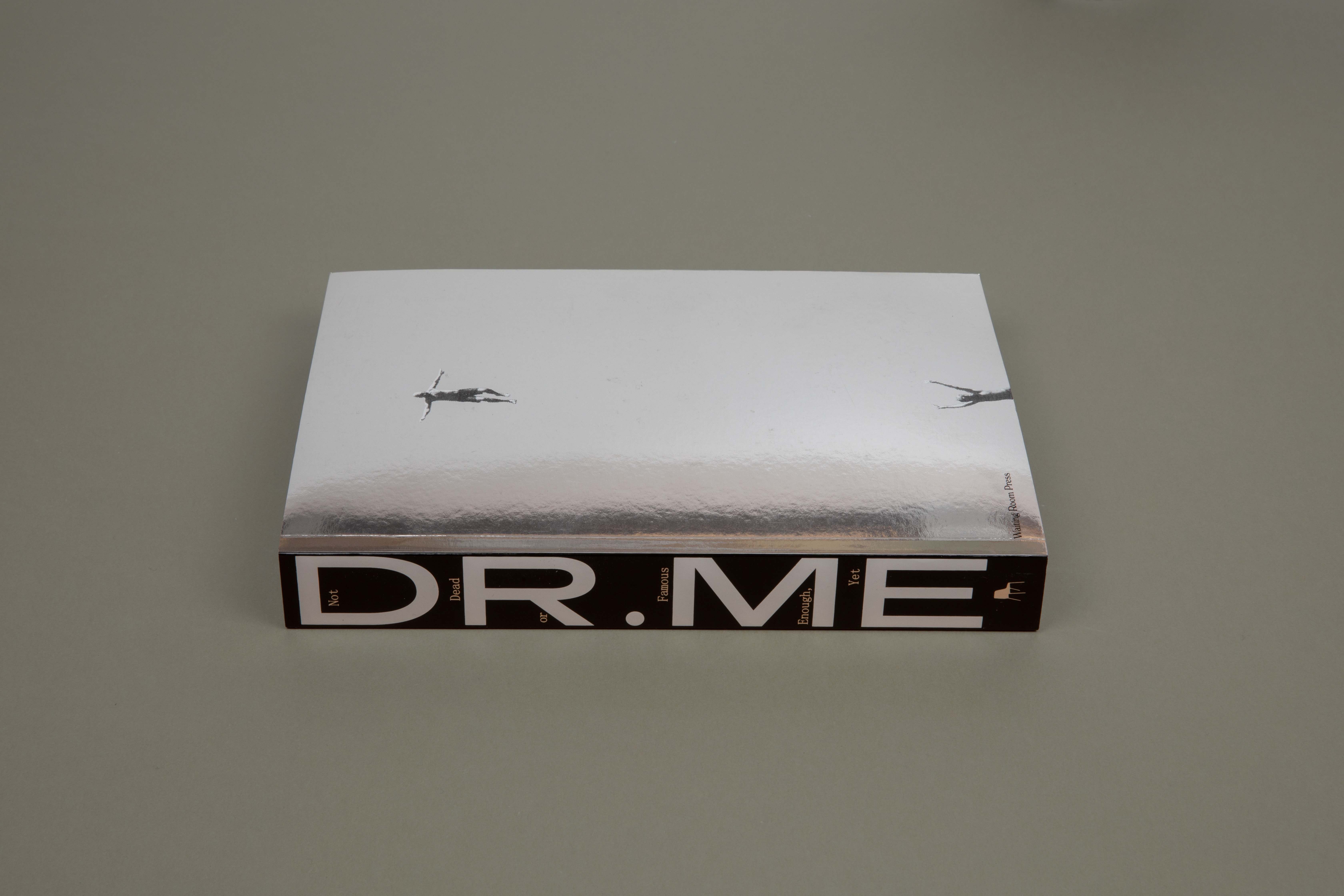
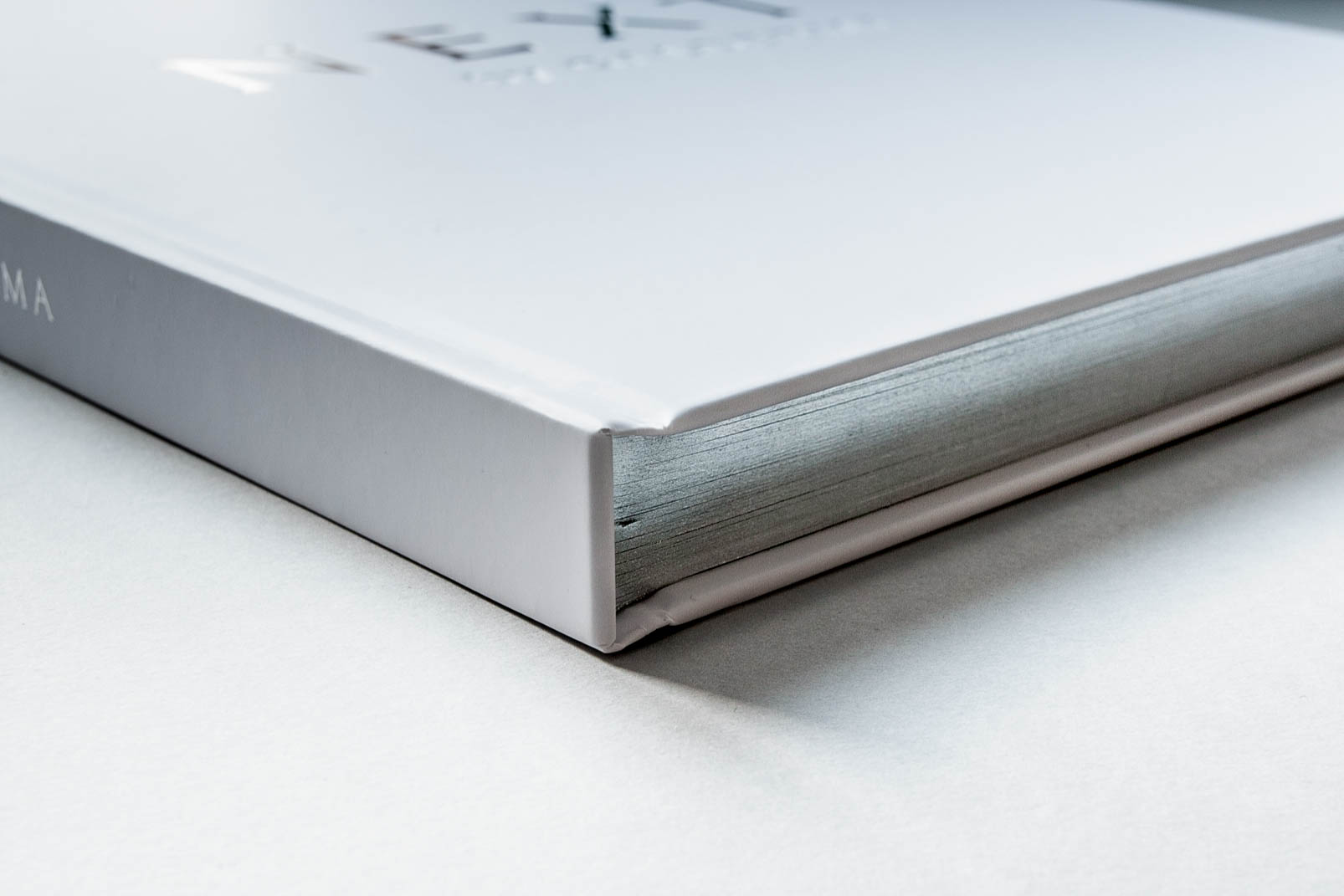
Luxury isn’t just what you see. It’s what you feel — the texture of heavyweight stock, the finish on the packaging (foiling, embossing, duplexing, soft-touch lamination that feels like velvet…), letterpress under your fingertips, spot UV highlights that catch the light, die-cut shapes that turn packaging into something memorable.
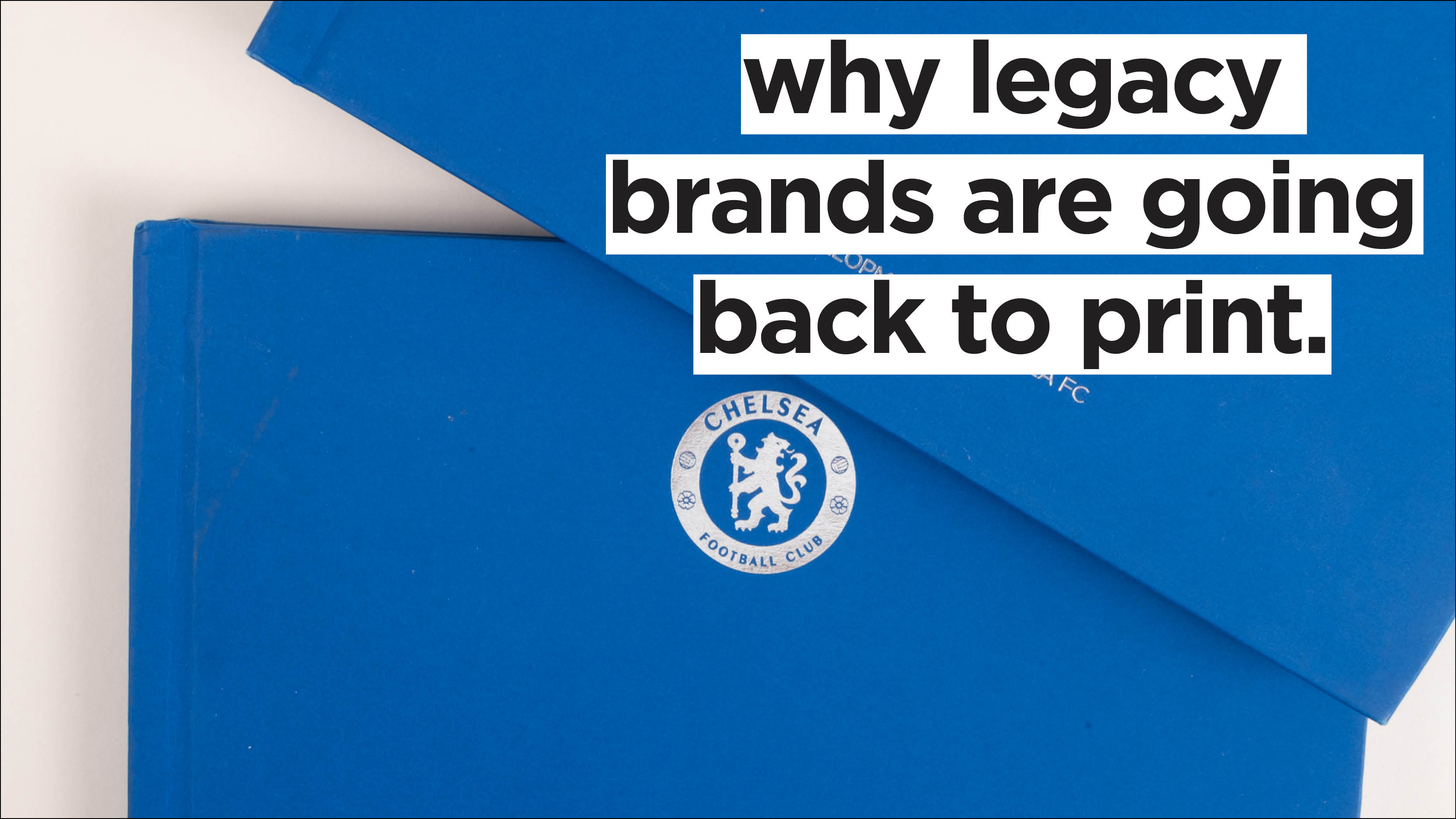
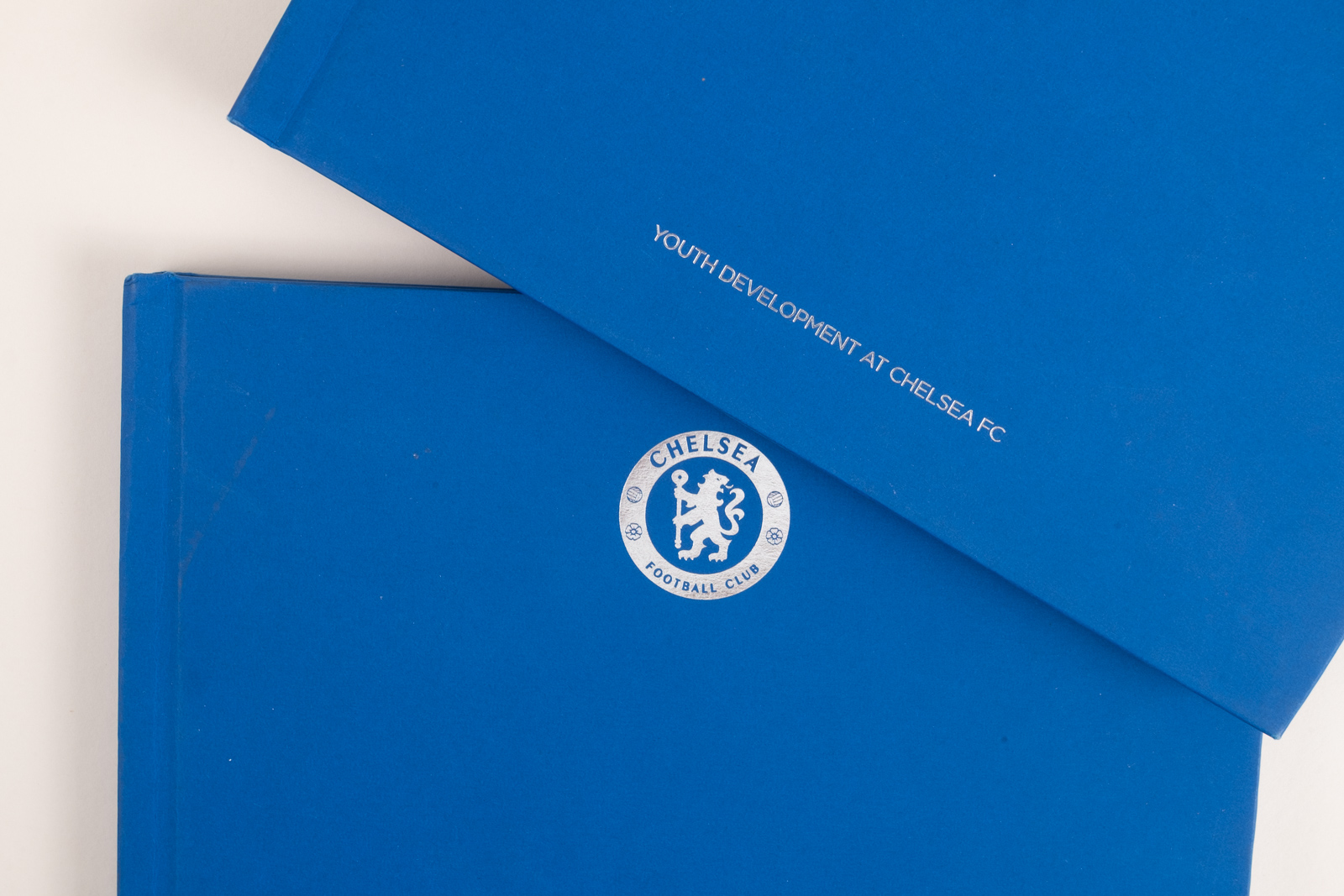
Luxury books are among the most effective ways legacy houses can demonstrate the craftsmanship behind their logo and make a lasting impression on their customers. Coffee table books are in equal parts meaningful and strategic: they commemorate the brand’s legacy while serving as a permanent reminder to the brand’s customers.
Built to endure (unlike digital marketing tools), luxury coffee table books prioritise customer lifetime value: building what amounts to a “tactile dividend” that compounds long after the campaign spend is gone.

Packaging That Creates an Experience
Packaging is another subset of print that legacy brands invest in heavily. Why? Because (again) luxury is about providing an experience — but also about signalling quality.
Packaging indicates perceived value, trust, and emotional attachment before the product is even touched. Research consistently shows that cues like material, design, typography, and overall presentation can significantly influence perceived quality and purchase intention.
In short, packaging is here to create that experience we keep talking about. It does so in a few different ways:
- Extrinsic cues as a sign of quality — sometimes, the buyer isn’t able to immediately verify the quality of a luxury item (online shopping is an example of this). Extrinsic cues, like the ones we mentioned, immediately project the idea of affluence.
- Sensory “premiumisation” — design choices like weight, texture, and smoothness, as well as typographic elements like white space and font choices — all create a sense of care and craftsmanship.
- The “unboxing experience” — bridging the physical and digital, “unboxing” content is extremely popular online. And it has the power of turning customers into promoters. Luxury packaging is often designed to create a shareable reveal moment.
Experience-Based Marketing
Many luxury and legacy brands are built on cultural authority. The very notion of “cultural authority” is fundamentally incompatible with the world of social media, which rewards immediacy, volume, and repetition at the expense of care, depth, and intention.
Print (whether in the form of a coffee table book, a magazine, or packaging) does more than that. Unlike digital marketing, “experience-based” marketing endures past the scroll; it exists in the physical space and, eventually, becomes part of the client’s environment. Print creates artefacts that outlast trends and platforms: by leaving a tangible trace, print communicates trustworthiness, commitment, and longevity.
According to the Bain-Altagamma Luxury Goods Worldwide Market Study, despite further declines in luxury spending in 2025, luxury experiences continue to outperform products. Since 2023, the experiences segment has been the key driver of luxury spending growth. Luxury clients are looking for tangibility and social connection — and print delivers.
High-End Print with Jump
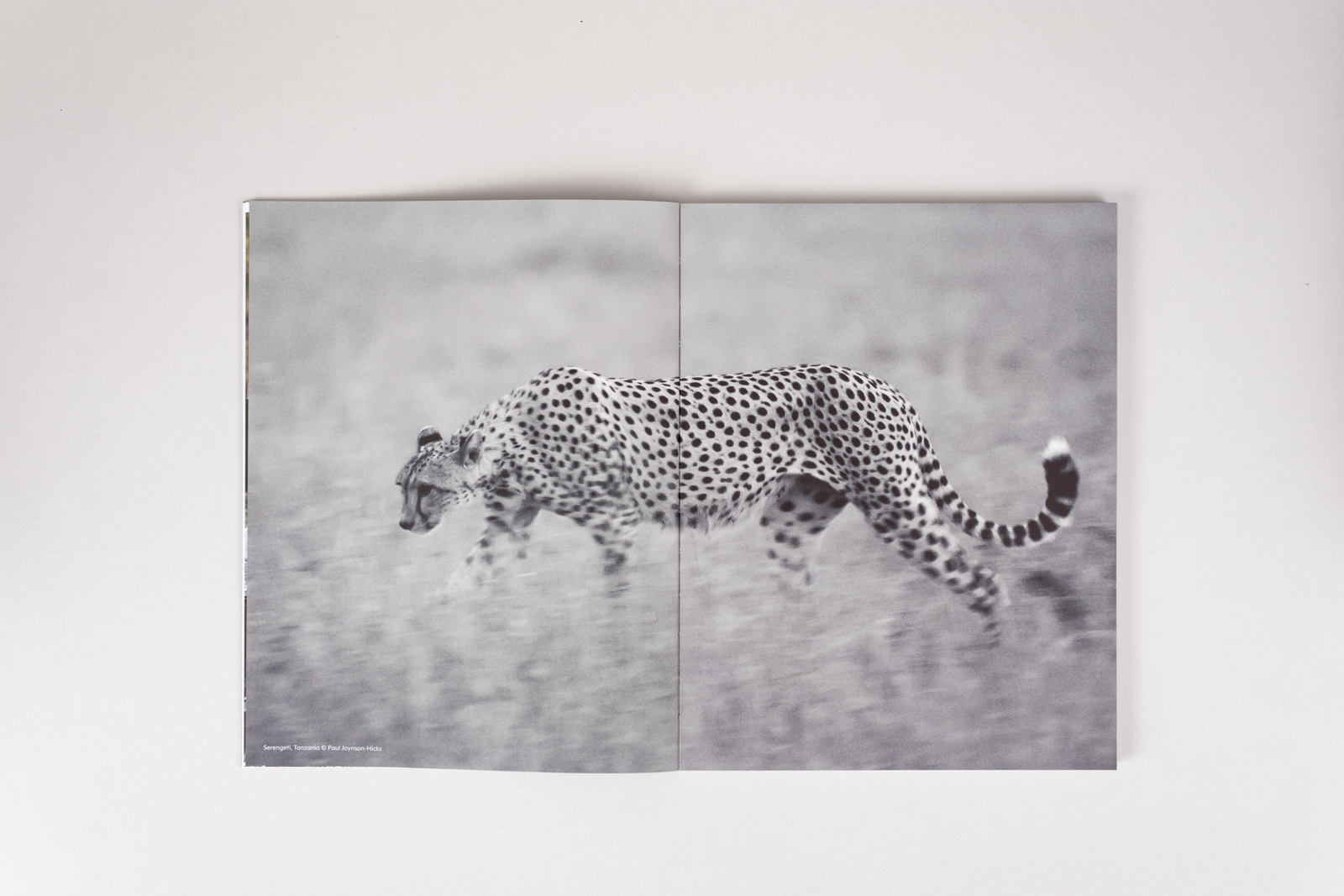
From Galderma and Mastercard to Journeys by Design and Chelsea FC, many of our legacy clients agree with us that print is the future. Ownership over digital leases, permanence over momentary engagement.
Jump could be your partner in high-end print. For a quote, reach out at hello@wearejump.co.uk.