My name is Ben, and I’m the Head of Sustainability at Jump. I’ve spent more than 15 years working in sustainability and environmental management, and for the past five years, I’ve had the privilege of doing that work alongside the team here at Jump.

Meaningful change in business tends to develop gradually. It grows through the culture a company builds, and the choices people make day after day. While big commitments often receive the most attention, it’s the quieter habits woven into everyday work that truly shape the character of a business.
When people hear the term B Corp, their minds often go straight to large initiatives or ambitious sustainability strategies. Net Zero, supply chain transformation and ambitious environmental targets. These commitments certainly play an important role and help push industries forward; yet, when we reflect on what makes us proud as a business, the conversation often returns to the smaller decisions we try to live by day to day.
Starting With Fairness
One of the clearest examples of this for us is our commitment to paying the Real Living Wage to everyone on our team. It is a decision that came from a simple place. A business that wants to create a positive impact in the world should ensure that the people who contribute to its success are treated fairly and with respect. For us, committing to the Living Wage felt less like a policy decision and more like a reflection of our values. It is simply about doing what feels right and ensuring that the people behind the business are recognised and supported in a meaningful way.
Making Space for Volunteering
Another area that continues to feel meaningful is the time we spend volunteering. Within most businesses, time is one of the most valuable resources, so creating space for people to support charities, communities, and environmental initiatives feels important to us. Volunteering offers an opportunity to connect with causes beyond the day-to-day work of the business, and those experiences often stay with people long afterwards. They deepen our understanding of the communities around us and remind us that the work we do as a company exists within a much broader social and environmental context.

Showing up for the B Corp community
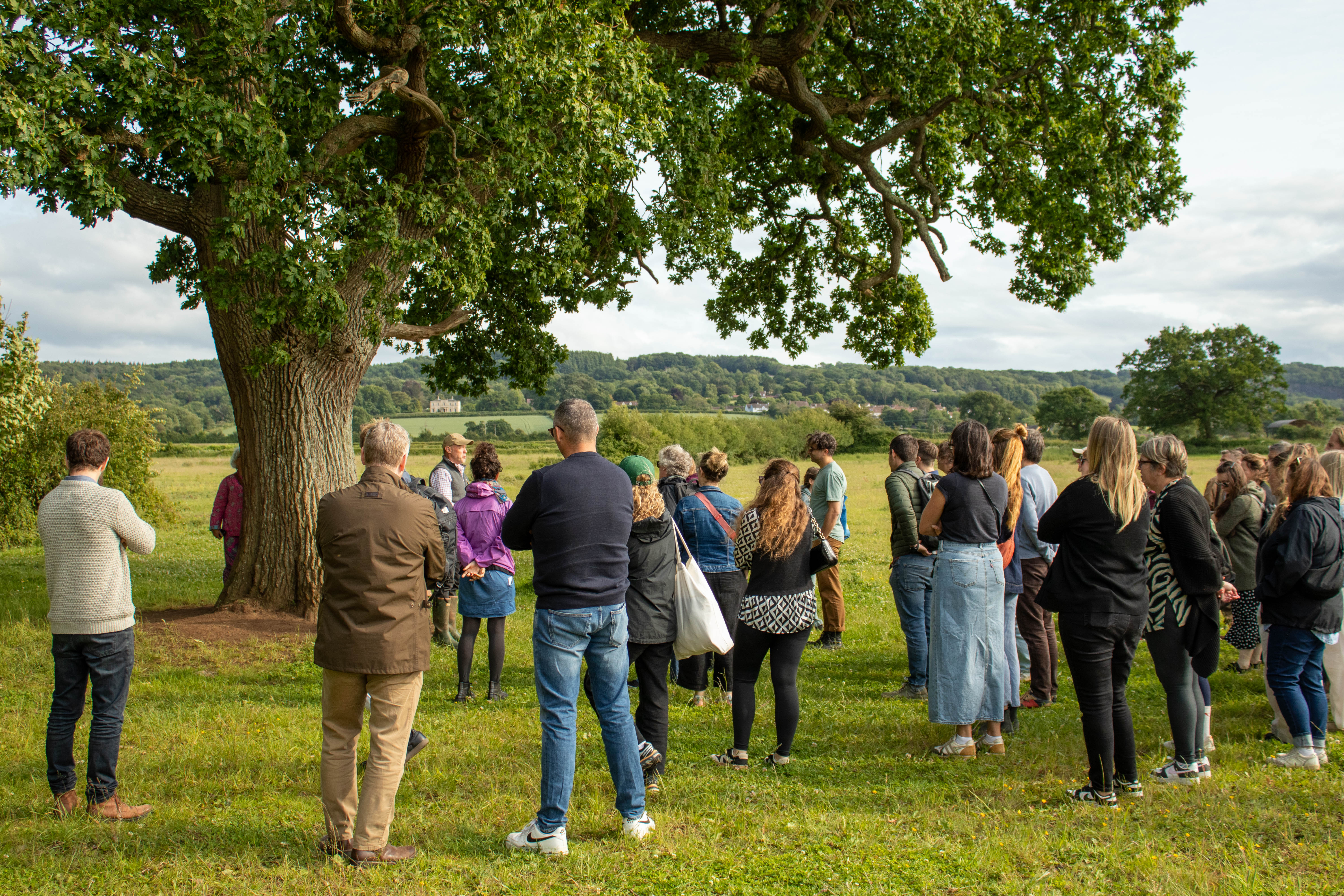
Being part of the B Corp community has also shaped the way we think about business. Whenever we have the opportunity, we try to attend local B Corp networking events and gatherings. These occasions often lead to thoughtful conversations with other organisations that are navigating similar challenges and ambitions. There is a refreshing openness within the community, where businesses share their experiences and learn from one another. Spending time in those spaces reinforces the sense that we are part of a much wider effort to rethink what responsible business can look like.
The Quiet Decisions That Shape a Company
Across the B Corp movement, we see many examples of how everyday decisions influence how companies operate. Businesses start paying closer attention to their supply chains and build stronger relationships with local partners. Teams reconsider how they travel and whether journeys can be made in lower-impact ways. Office habits evolve as people become more aware of the materials they use, the resources they consume, and the opportunities to reduce waste.
None of these changes appear dramatic when viewed individually, yet together they gradually shift the mindset of an organisation. People begin to think more consciously about the consequences of everyday decisions, and over time, those choices become part of the company’s culture.
Sharing Knowledge Along the Way
One of the things we value most in the B Corp movement is the spirit of collaboration among companies. Businesses are often remarkably willing to share what they have learned, whether that involves practical tools, useful frameworks, or simply honest reflections about what has worked well and what has been challenging. At Jump, we aim to foster that same openness by supporting organisations strengthening their sustainability practices or working toward B Corp certification.
The more knowledge that circulates across the community, the more businesses are able to move forward together.
Inviting Ideas from Across the Team
Some of the most interesting developments within companies also come from the ideas people share within their teams. Improvements often begin with someone noticing that something could be done differently — whether that involves suggesting a new supplier, proposing a volunteering partnership, or questioning a long-standing process. When people feel comfortable bringing forward those ideas, the responsibility for positive impact becomes something that belongs to the whole organisation rather than a single role or department.

Why the Small Actions Matter
Looking back on more than 15 years of working in sustainability and five years building this journey with the team at Jump, what stands out most to me is the importance of consistency. Responsible business does not emerge from a single initiative or announcement. It develops through a steady pattern of decisions that reflect the values a company holds.
Fair pay, community engagement, thoughtful partnerships, and a willingness to learn from others all contribute to shaping a business over time. These actions may appear modest when considered individually, yet together they build trust and help create organisations that genuinely reflect the principles they talk about.
In many ways, those small choices tell the real story of responsible business. Over time, they accumulate into something meaningful, and gradually they help demonstrate that businesses can contribute positively to the people, communities, and environments they are part of.