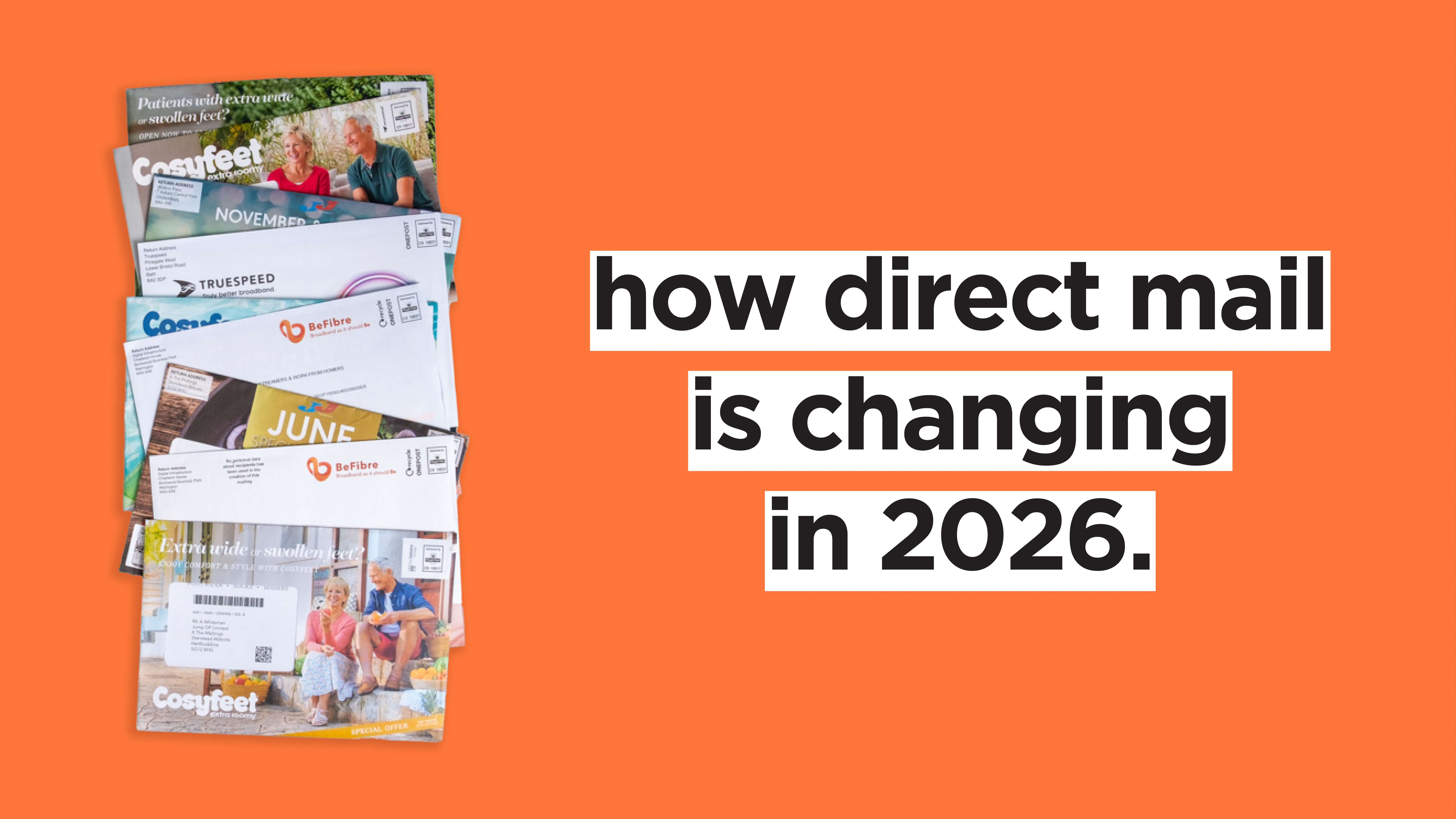
In 2026, consumers are so overloaded with information that marketing feels like fighting for their attention: finding new (and old!) ways to break through and make a lasting impression.
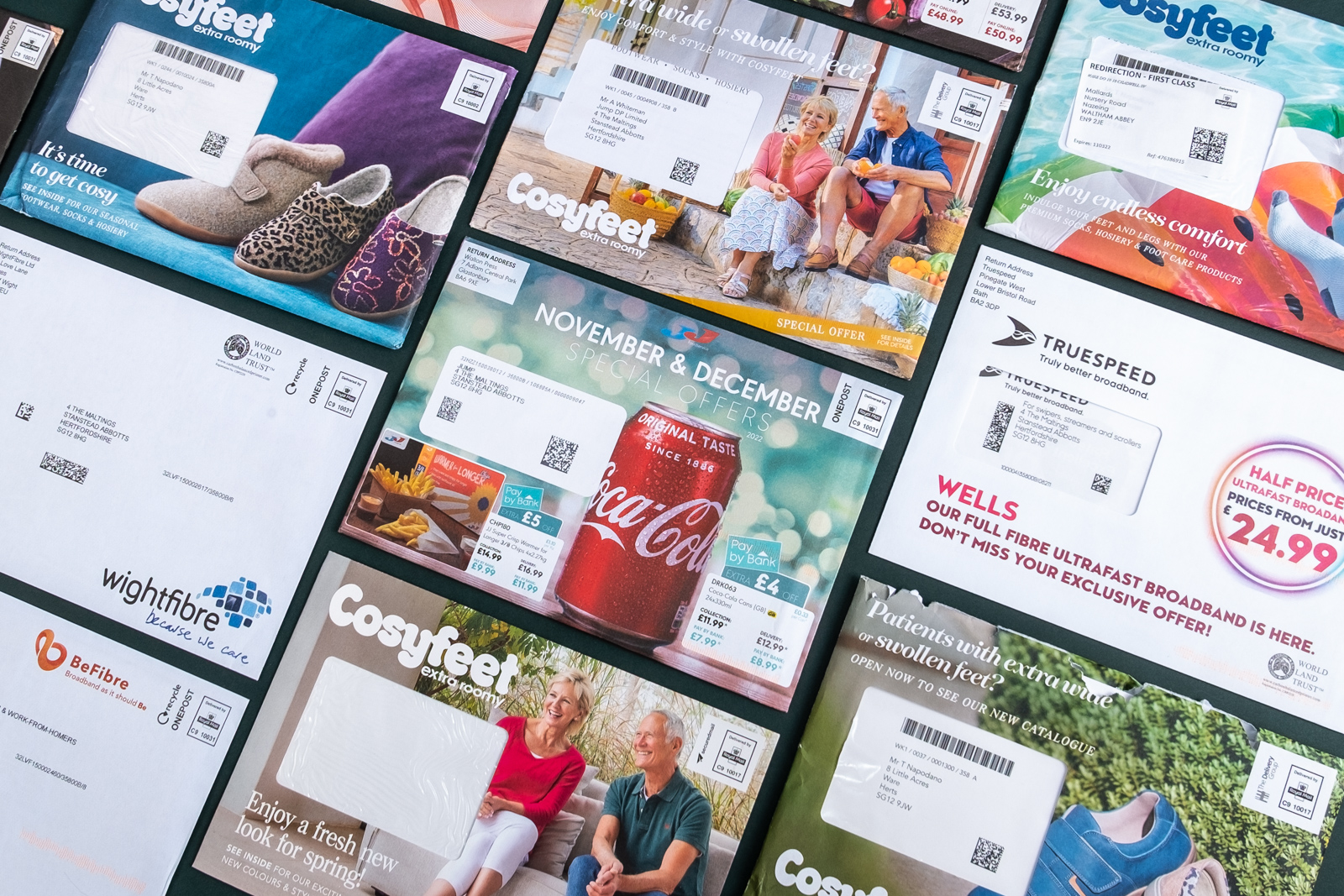
Despite our world being increasingly digital, good old direct mail delivers consistently — in terms of conversions, ROI, and engagement.
Direct mail isn’t static either: exiting a phase of growth and entering one of maturity, it’s changed significantly in the past few years, adopting advanced technologies to maximise reach and efficiency while maintaining convenience and sustainability.
Here is how direct mail is changing in 2026 and what Print Service Providers (PSPs) should do to keep up with the times.
The 2026 Marketing Landscape
To understand why direct mail can (and does) deliver at such high levels, it’s useful to first analyse the landscape marketers find themselves in in 2026.
The Digital Ceiling and Ad Fatigue
We seem to have hit a sort of “digital ceiling”. Despite being a relatively new phenomenon, digital fatigue (the physical and mental exhaustion caused by the intensive use of devices like phones and laptops) is becoming more and more common, even among younger generations and the so-called “digital natives”.
This affects digital marketing in a multitude of ways. For instance, GWI reports that, as of Q2 2025, 29.5% of netizens worldwide use ad blockers when browsing online. This amounts to 1.77 billion users — a massive increase from the 44 million users of Q1 2012.
It’s clear: ad fatigue has never been higher. To make matters worse for digital marketers, a 2022 SimplicityDX study found that the Consumer Acquisition Cost (CAC) for digital channels has increased by 222% since 2013. This is due to updates to consumer privacy legislation (like CCPA and GDPR) and the depreciation of third-party cookies
Direct Mail Delivers Thanks to the Endowment Effect
On the contrary, direct mail keeps delivering. As the Association of National Advertisers (ANA) highlights in their 2025 Response Rates Report, direct mail consistently outpaces SMS and email, delivering an ROI of 112%. But how? It’s also thanks to a phenomenon known as the “endowment effect” in haptic (physical) marketing.
The endowment effect is a cognitive bias that leads us to believe that something we already own is worth more than something we don’t own; so, we might value it more highly than we would if it didn’t belong to us. For example, you might want to sell your vintage leather jacket for £50, but only be interested in purchasing another vintage leather jacket for £30. It works similarly in marketing: studies have shown that even the simple act of touching catalogues, brochures, and direct mail can subconsciously trigger the endowment effect, increasing customers' perceived value of the brand and its products.
Is Digital Marketing Over?
Yet, this doesn’t mean marketers should entirely abandon digital channels: in fact, direct mail performs its best in integrated campaigns. In 2024, a team of Japanese researchers found that campaigns integrating digital ads with direct mail generated a 447.8% boost in sales compared to online-only campaigns.
How Should Print Service Providers Respond?
Direct mail marketing is as relevant as ever, and PSPs need to rise to the challenge. In today’s landscape, marketing teams require their print partners to support complex, highly targeted use cases. In short, PSPs need to evolve: from simple print manufacturers into true Marketing Service Providers. One thing we’ve done at Jump to adapt to these changes is to adopt a Web-to-Print portal.
As we move through 2026, the direct mail industry is stepping into a phase of maturity. Marketers no longer question if direct mail works — because the proof is in the ROI. Now, the real focus is on how to deliver it effectively. Today's consumers are looking for an even higher level of service and support for sophisticated omnichannel strategies.
Direct Mail’s Maturity Phase: Features
As it transitions from growth to maturity, direct mail is experiencing notable changes. Here are the most significant.
Strategy
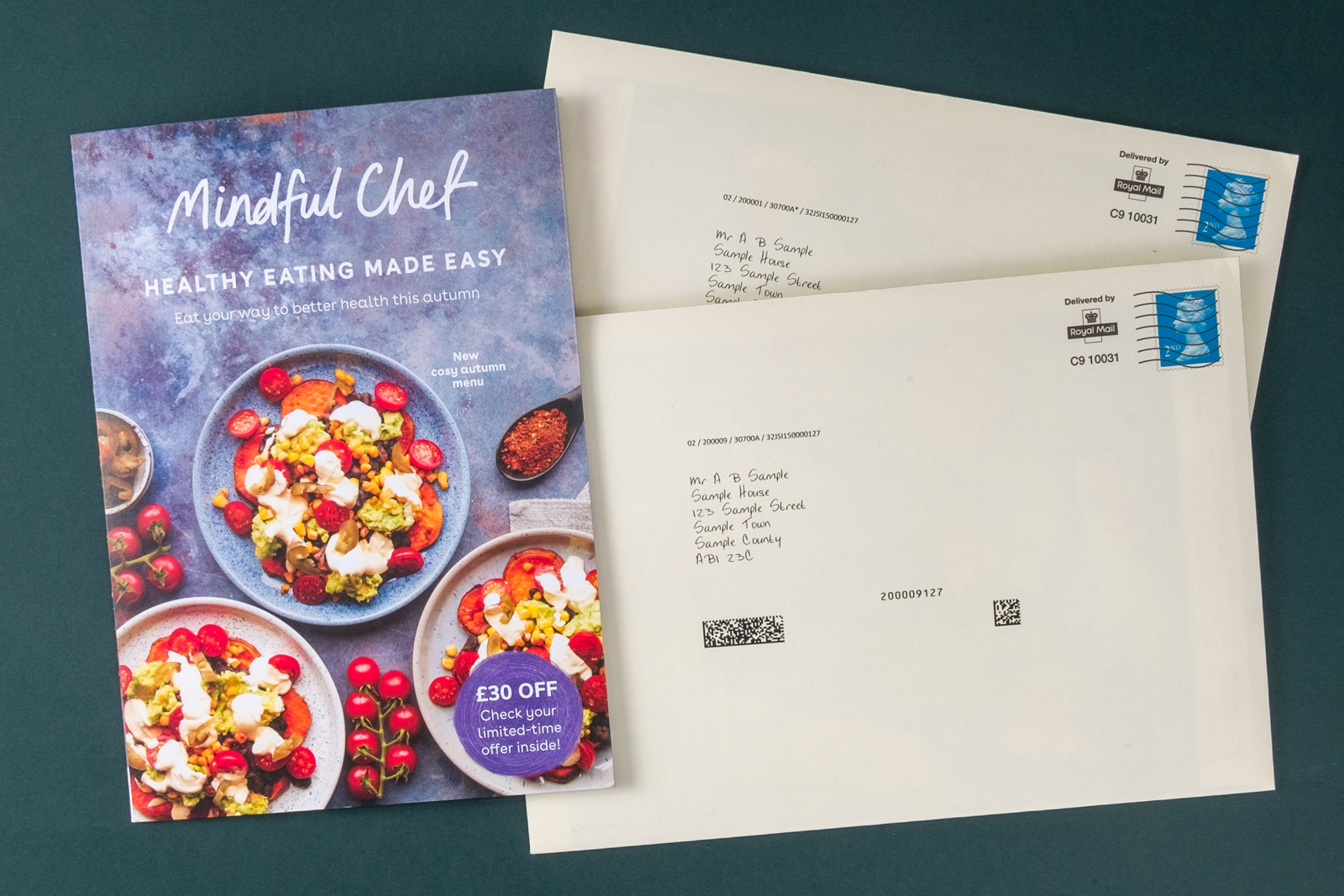
Batch-and-blast campaigns (the practice of "batching" a large audience and "blasting" them with the same message simultaneously) are yesterday’s news. In 2026, direct mail is a key component of integrated omnichannel campaigns that bridge physical and digital.
Use Cases
Those batch-and-blast campaigns were based on broad targeting and basic data. Modern-day direct mail, on the other hand, hinges on hyper-personalisation and specific behavioural triggers.
Design Control
Web-to-Print portals like the one we use at Jump remove the hassle of designing new collateral for every campaign. Our personalised platform allows you to edit branded templates to your needs while maintaining brand consistency and control over the results.
Direct Mail’s Maturity Phase: Emerging Trends for 2026
New trends are also emerging from direct mail’s maturity phase. From sustainability to new technologies, here are the ones marketers should keep an eye on.
Sustainability and Eco-Friendly Print
In 2026, sustainability is no longer a nice-to-have. It’s something most customers require of their business partners. Jump relies on sustainably-managed forests, responsibly-sourced paper, vegetable-based inks, and high-efficiency printers. Thanks to these steps and measures, we can guarantee truly responsible printing that maintains high quality and cost-effectiveness.
Variable Data Printing (VDP) Technology
VDP is why the industry has been able to move from “mass production” of a single document to “mass customisation” of a whole campaign. How does it work? VDP combines data from sources (like CSV, Excel, or CRM systems) with a master design template. Advanced software then processes this information, allowing the printer to customise elements (names, text, images, codes…) on each document within a single print run, without stopping or slowing down the printing process.
Much like sustainability, customisation has become a must in direct mail and advertising: clients want to feel valued, and a personal touch (as opposed to a cookie-cutter, generic message) delivers just that.
QR Codes That Create a Journey
Digital integration might be the step that takes your mail marketing campaign to the next level. A USPS-commissioned study, The Future of Direct Mail Is Here and It’s Dynamic, found some interesting statistics:
- Combining direct mail with digital channels boosts response rates by 63%.
- Digital and direct mail combined generate 40% conversion rates.
- 68% of marketing responders found that integrating direct mail with digital increased website visits.
- 60% of them also found that mail and digital integration increased ROI.
Moreover, JICMAIL tracking from Q4 2025 showed that 9.7% of mail now drives website visits — the highest level in five years.
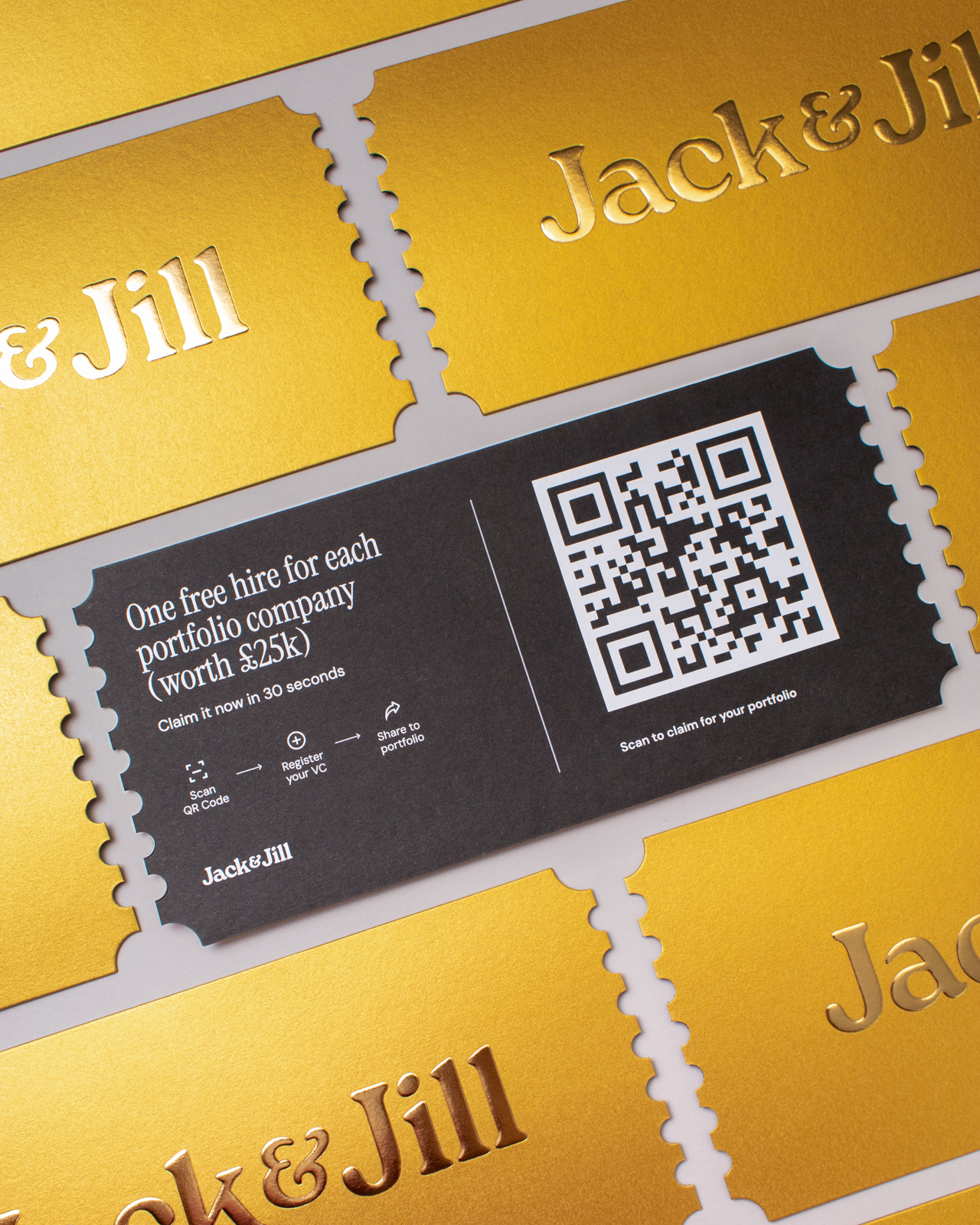
QR codes are one of the best tools for digital integration. They create a genuine journey, remove friction for consumers, and allow marketers to easily track conversion.
Automated Triggers Replace Batch-and-Blast
Batch-and-blast is now obsolete; automated triggers are the way to go. These campaigns run continuously, reacting and updating in real time.
When utilising automated triggers, timing is key: a birthday offer received the week before will make your customer feel appreciated — if it’s a month late, not so much.
Some common triggers to keep in mind for your next automated campaign are:
- Welcome series after the first purchase.
- Birthday messages with exclusive offers.
- Abandoned cart reminders.
- Renewal reminders sent 30 days before expiration.
Data Quality Improves Direct Mail Performance
This may go without saying, but the quality of your data can absolutely make or break the effectiveness of your direct mail campaign.
According to the Data & Marketing Association (DMA), your database degrades by around 30% every year. It sounds like an exorbitant figure, but it makes sense once you remember how often people move, change jobs, or update their preferences.
That’s why address hygiene and data cleaning are so important.
Unique Elements for Effortless Tracking
In 2026, there is no metric that can’t be measured: so, tracking your campaigns is easier than ever.
The most successful (and popular) way of tracking campaign performance is assigning unique tracking elements to each campaign variation: for example, different promo codes for different segments, or different QR codes for different offers. This way, you can measure cost acquisition, customer lifetime value, and ROI for each campaign, and decide which to scale and which to stop.
Such thorough tracking is also highly valuable to the members of your team responsible for budgets. Clearly demonstrating ROI and proving each campaign's success helps shift the narrative from “Should we even be doing direct mail?” to “How much should we invest in it?”
Multi-Touch Attribution Is the New Standard
Today, direct mail is fully integrated into an omnichannel purchasing journey. Rather than talking about last-click attribution, it’s more fitting now to talk about multi-touch attribution, which assigns credit to every touchpoint in the client’s journey.
In Short: Key Takeaways
The Market is Mature
Direct mail is no longer in the growth phase: it’s a thriving, mature, multi-billion-dollar market currently experiencing a resurgence.
Digital Fatigue is Real
Digital and ad fatigue are on the rise, even among younger audiences. This has caused digital CAC to skyrocket 222% since 2013. In this landscape, physical mail still delivers an average ROI of 112% and healthy engagement rates.
The New Role of PSPs
Marketers now require their print partners to support complex, highly targeted use cases. Hyper-customisation is king, and PSPs now need to support cutting-edge technologies like VDP and Web-to-Print architectures.